
Crawl Space Repair in Kansas City: 9 Warning Signs You Shouldn't Ignore
Last updated April 2026
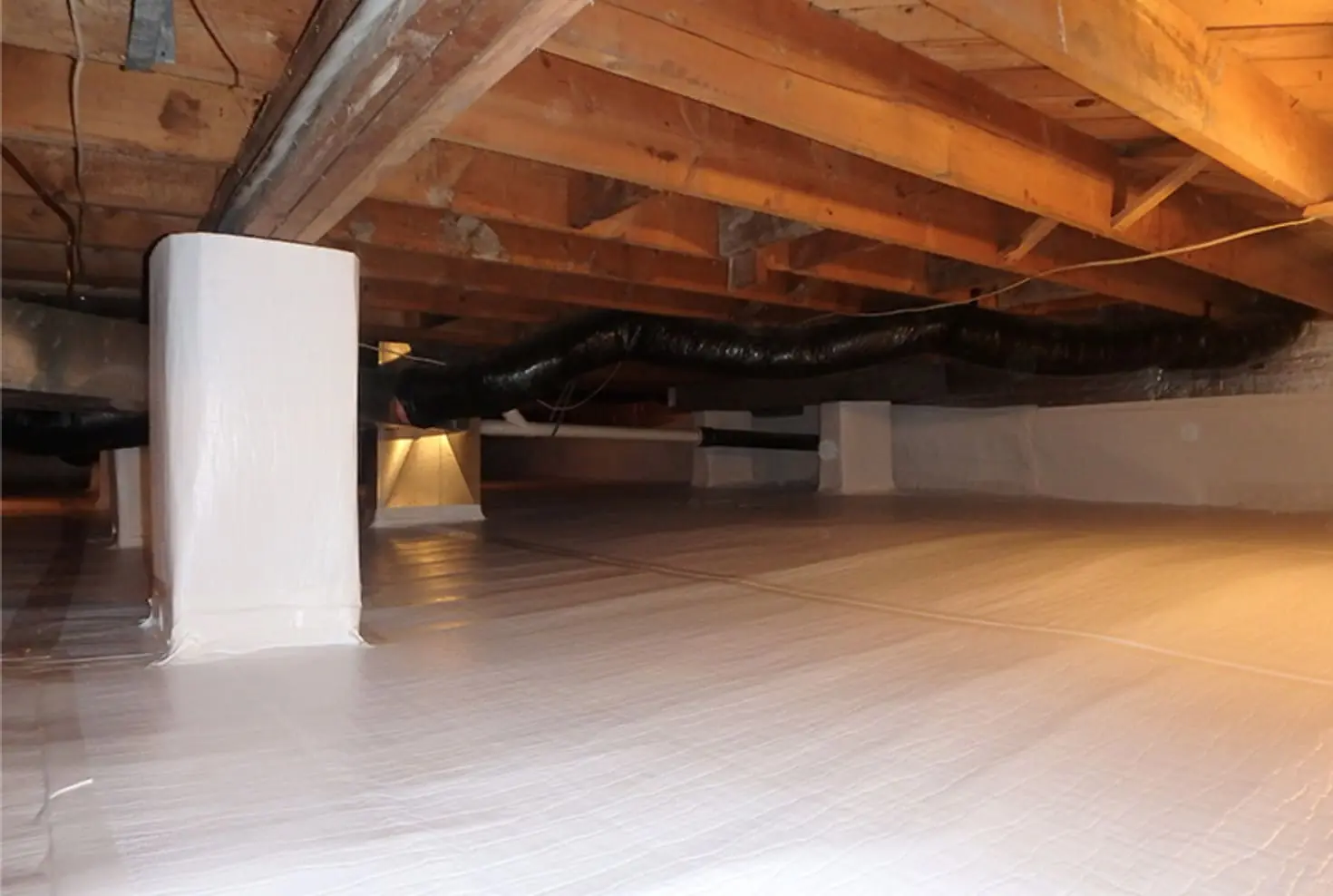
Is your crawl space trying to tell you something? Discover 9 warning signs Kansas City homeowners should never ignore, from moisture and odors to sagging floors and structural damage.
Your Crawl Space May Be Out of Sight, but Its Problems Rarely Stay There
Most homeowners do not spend much time thinking about the space beneath their house.
And who could blame them?
Crawl spaces are dark, cramped, and hardly the most inviting part of a home.
The problem is that what happens beneath your floors does not necessarily stay there.
Excess moisture, damaged insulation, weakened structural materials, and water intrusion can gradually affect the comfort and condition of the home above.
Sometimes the first warning is not even found in the crawl space.
It might be a musty smell in the living room.
A floor that suddenly feels softer.
Or an energy bill that seems higher than it should be.
For homeowners in the Kansas City area, recognizing these early clues can make the difference between a manageable repair and a much larger project later.
Here are nine signs worth paying attention to.
1. That Musty Smell Has to Be Coming From Somewhere
You walk into the house after being away for the weekend.
Something smells different.
Not exactly terrible. Just damp, earthy, or stale.
You clean the carpets. You check the trash. You inspect the bathroom.
The odor remains.
It may be time to look beneath the house.
Musty odors can indicate persistent moisture in a crawl space, particularly when the smell becomes stronger during humid or rainy weather.
The U.S. Environmental Protection Agency's crawl space guidance notes that crawl spaces with high relative humidity can become locations for hidden mold growth, particularly when bare soil contributes moisture to the air.
A persistent musty odor is not something to cover with an air freshener.
Find the moisture source.
2. Standing Water Is Never Just a Puddle
Seeing water underneath your home after heavy rain may be easy to dismiss.
After all, it rained.
But a crawl space should not routinely become a collection basin every time Kansas City gets a storm.
Standing water may point to:
- Poor exterior drainage
- Groundwater intrusion
- Plumbing leaks
- Improper grading
- Downspout problems
- Inadequate waterproofing
Water that enters repeatedly can keep wood and insulation damp long after the storm passes.
If your crawl space regularly collects water, professional crawl space waterproofing can help address how moisture is entering and how it should be managed.
3. Your Floors Feel Different
This is one of the warning signs homeowners often notice without realizing it could be connected to the crawl space.
Walk slowly through your home.
Do certain areas feel:
- Bouncy?
- Soft?
- Uneven?
- Lower than they used to?
Your flooring system depends on structural components beneath it.
If moisture contributes to deterioration or support problems below the house, changes may eventually become noticeable upstairs.
Do not automatically assume that new flooring will solve the problem.
If the problem is structural, replacing the visible floor covering only hides the symptom.
4. Insulation Is Hanging Down
Look inside many neglected crawl spaces and you will see insulation hanging between the floor joists like old blankets.
That is not how it is supposed to look.
Insulation may sag or fall because of:
- Moisture
- Improper installation
- Age
- Pest activity
- Repeated humidity exposure
Damaged insulation can also reduce its effectiveness.
The EPA notes that moisture problems should be addressed before other renovation work proceeds because damp conditions can promote biological growth.
Heartland offers crawl space insulation solutions designed to improve conditions beneath the home after the underlying moisture issues have been properly considered.
5. Humidity Is Becoming the Uninvited Guest
Your crawl space does not need visible standing water to have a moisture problem.
Sometimes humidity is enough.
Warm, moisture-heavy air can enter the crawl space and condense on cooler surfaces.
You might notice:
- Damp wood
- Condensation
- Rust on metal components
- A clammy feeling beneath the house
- Musty odors
The EPA identifies moisture control as the key to limiting indoor mold growth and recommends addressing leaks, seepage, drainage, and other moisture sources rather than treating mold alone.
That distinction is important.
Cleaning what moisture created is not the same as solving the moisture problem.
6. Wood Looks Soft, Dark, or Damaged
Wood and persistent moisture are not good neighbors.
Floor joists, beams, and other wooden structural components should be examined when a crawl space has experienced long-term dampness.
Look for:
- Darkened wood
- Soft areas
- Visible deterioration
- Sagging
- Splitting
- Changes around connections
Do not aggressively poke or disturb materials if you are unsure about their condition.
Crawl spaces can contain electrical hazards, pests, contaminants, and other risks. If structural deterioration is suspected, professional evaluation is the safer approach.
7. You Keep Seeing Bugs or Other Pests
A crawl space that provides moisture, shelter, and easy entry points can become attractive to unwanted visitors.
Homeowners may notice increasing activity from:
- Insects
- Spiders
- Rodents
- Other pests
Pests alone do not prove that you have a structural crawl space problem.
However, increasing pest activity combined with moisture, damaged insulation, or open crawl space vents may indicate conditions beneath the home that deserve attention.
The solution is not simply setting another trap.
Ask why the space is becoming attractive in the first place.
8. Cracks Are Appearing Above the Crawl Space
This is where crawl space problems can become more serious.
If structural support beneath the home changes, symptoms may appear in the living space.
Watch for:
- Drywall cracks
- Gaps around doors
- Sticking doors
- Uneven flooring
- Separation around trim
- Cracks near windows
These symptoms can have several causes, so avoid diagnosing the problem based on one crack.
However, multiple symptoms appearing together can indicate that the structure should be evaluated.
Heartland's foundation repair services can help determine whether movement is limited to crawl space components or connected to a broader foundation issue.
9. Your Crawl Space Looks Completely Different After Rain
One of the easiest ways to understand your crawl space is to compare it during different weather conditions.
Check it during a dry period.
Then inspect it again after significant rainfall.
Does anything change?
Look for:
- New puddles
- Damp foundation walls
- Wet soil
- Water trails
- Condensation
- Stronger odors
- Wet insulation
That comparison can reveal drainage problems that are nearly invisible during dry weather.
The key is not simply removing the water you can see.
The goal is determining how it got there.
The Problem With Waiting for an Obvious Failure
Crawl space damage rarely begins dramatically.
There usually is not one morning when everything suddenly collapses.
Instead, deterioration can happen gradually.
A little moisture becomes persistent humidity.
Insulation begins sagging.
Wood stays damp.
Floors start feeling slightly different.
The musty odor gets stronger.
Because the changes happen slowly, homeowners adapt to them.
That is exactly why routine inspection matters.
Why Kansas City Homes Need Extra Attention Below the Floor
Kansas City homeowners deal with changing conditions throughout the year.
Periods of heavy rainfall, summer humidity, freezing temperatures, and seasonal soil moisture changes can all influence conditions around a home's foundation and crawl space.
A property with poor drainage may be particularly vulnerable after repeated storms.
That is why the repair itself should not be the only consideration.
A good crawl space evaluation should ask:
Where is the moisture coming from?
How is water moving around the property?
Has the structure been affected?
Is insulation damaged?
What prevents the problem from returning?
Those questions lead to better solutions than simply covering the ground and hoping for the best.
What Does Professional Crawl Space Repair Actually Address?
There is no single repair that fits every crawl space.
Depending on what an inspection finds, solutions may involve:
Moisture Control
Reducing water and humidity entering the crawl space.
Waterproofing
Managing recurring groundwater or storm-related water intrusion.
Encapsulation
Creating a cleaner separation between the crawl space environment and moisture sources.
Insulation
Replacing or improving insulation after moisture conditions are addressed.
Structural Repair
Correcting weakened or inadequate supports where necessary.
Drainage Improvements
Helping move water away from areas where it can enter beneath the home.
Heartland's crawl space repair and waterproofing services can be tailored to the actual condition of the home rather than relying on a one-size-fits-all fix.
Do Not Make the "Plastic Fixes Everything" Mistake
A common crawl space misconception is that laying plastic over the soil automatically solves every moisture problem.
Ground vapor control can certainly be an important part of a moisture-management strategy.
But if water is actively entering through poor drainage, plumbing leaks, foundation openings, or groundwater intrusion, simply covering the soil may not address the entire problem.
The EPA recommends fixing water and moisture sources as part of controlling mold and damp conditions.
The important word is source.
Find it first.
Then build the repair strategy around it.
A Five-Minute Crawl Space Check
You do not need to crawl beneath the entire house every month.
From a safe access point, periodically look and smell for changes.
Ask yourself:
- Is there standing water?
- Does it smell musty?
- Is insulation hanging?
- Can I see condensation?
- Does wood appear unusually dark?
- Are pests becoming more common?
- Have my floors changed?
- Did conditions worsen after rain?
Take photos whenever something looks suspicious.
Pictures make gradual changes much easier to recognize over time.
When Should You Call a Crawl Space Professional?
Consider scheduling an inspection if you notice:
- Persistent standing water
- Recurring musty odors
- Sagging or damaged insulation
- Visible moisture
- Suspected mold growth
- Soft or sagging floors
- Deteriorating structural wood
- Foundation or drywall cracks
- Problems that repeatedly return after rain
One symptom may have a simple explanation.
Several symptoms appearing together deserve closer attention.
Frequently Asked Questions
Your Home Is Giving You Clues. Pay Attention to Them.
A crawl space does not have to flood before it deserves attention.
Sometimes the warning is subtle.
A smell.
A damp joist.
A piece of insulation hanging lower than last year.
A floor that feels slightly different beneath your feet.
Those small clues matter because crawl space problems are usually easier to address before moisture and structural deterioration have had years to progress.
If something beneath your Kansas City home does not look right, Heartland Foundation Repair can inspect the crawl space, identify the source of the problem, and recommend an appropriate solution.
The best time to investigate a crawl space problem is not when you can no longer ignore it.
It is when you first notice that something has changed.
John A. Coil