
8 Signs Your Kansas City Home Has Foundation Problems
Last updated April 2026
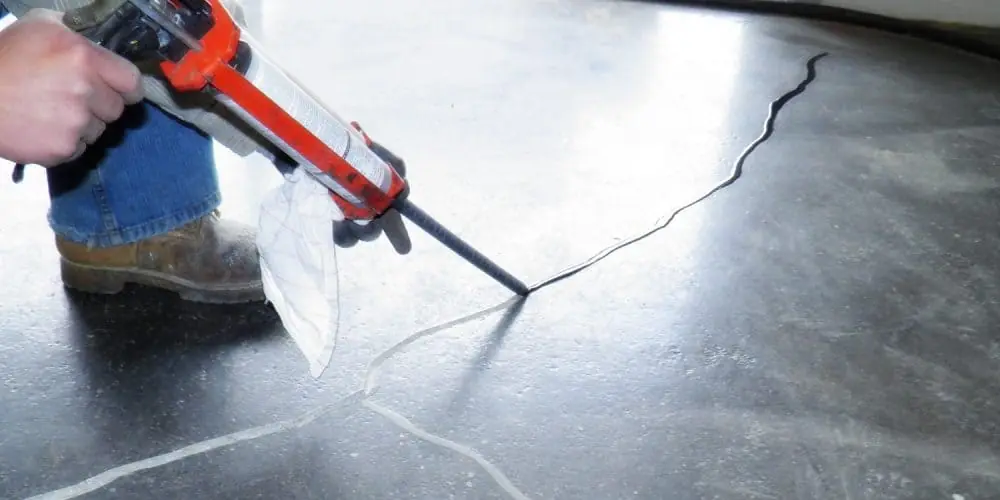
In Kansas City's clay soil environment, foundation movement is the norm — not the exception. The question isn't whether your foundation will be affected, but when and how seriously. Here are the 8 signs we see most often.
1. Diagonal Cracks at Door and Window Corners
Clay soil settling unevenly puts differential stress on the frame. Cracks radiate from the corners of openings — the weakest points. Early indicators of foundation movement.
2. Horizontal Cracks in Basement Walls
The most serious type. Indicates lateral soil pressure pushing the wall inward. Block walls are especially vulnerable. If the wall is bowing, that's urgent.
3. Doors and Windows That Stick
When the foundation moves, door and window frames rack out of square. The door that opened easily last year suddenly sticks. Not a weathering problem — a foundation problem.
4. Bowing or Leaning Basement Walls
Any inward bow means lateral soil pressure has stressed the wall. The fix depends on how far it's moved.
5. Uneven or Sloping Floors
More than 1-2 inches of slope per 10 feet is a concern. In pier-and-beam homes, saggy floors often mean rotted beams or settled piers.
6. Gaps Between Walls and Ceilings
Differential settlement creates shear at connections. Gaps appear where walls meet ceilings, floors, or at interior corners.
7. Water Getting In
Water in the basement isn't just a waterproofing issue — cracks that let water in often started as structural cracks. Diagnose both.
8. Wide Vertical Cracks in Poured Concrete Walls
Vertical cracks near the center wider than ¼ inch, or those that let in water, need attention.
Free inspections throughout the KC metro. If you're seeing horizontal cracks or bowing walls, call (913) 270-0250. We'll come out and give you a straight assessment.