
The 1/4-Inch Rule — A Kansas City Homeowner Foundation Crack Checklist
Last updated April 2026
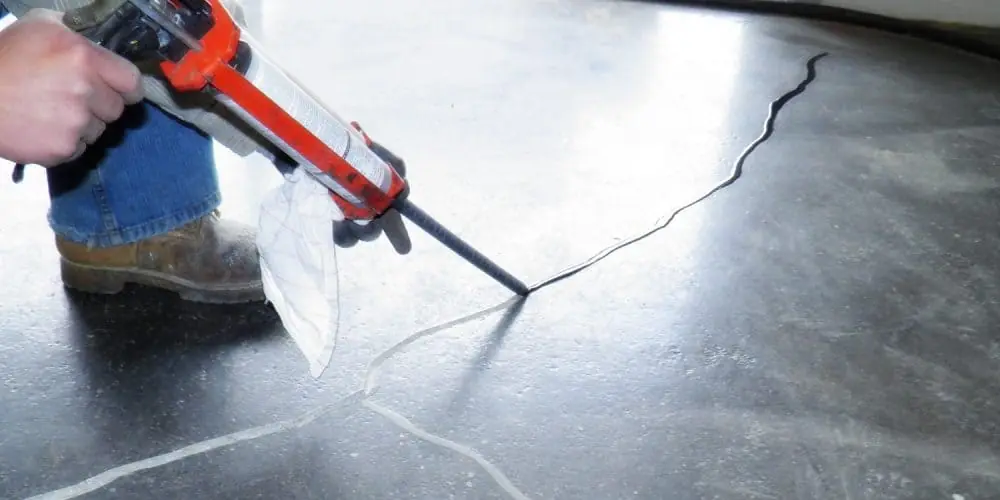
You found a crack in your foundation. And now your stomach is in a knot. Take a breath. Most foundation cracks in Kansas City homes are cosmetic. But some are not, and the hard part is knowing which one you're looking at.
So we built you a rule and a checklist. The rule is about width. The checklist walks you room by room. By the end you'll know one of three things: watch it, photograph it, or call someone today.
And you'll know why our clay soil here makes this worth doing every spring and fall.
The 1/4-Inch Rule Explained
Width is the signal. Not length. Not how ugly it looks.
A crack can run six feet across your basement wall and mean nothing. A crack two inches long can mean a real problem. What separates them is how wide the crack has opened.
Here's the rule in one line. Once a crack hits 1/4 inch wide, you stop watching and you call.
Why a quarter inch? Because that's roughly where a crack stops being shrinkage in the concrete and starts being movement in the structure. Concrete shrinks a little as it cures. That makes thin lines. Those are normal. But a gap you can fit a pencil into means two pieces of your foundation have pulled apart. That's the soil doing it, not the concrete.
And in Kansas City, the soil does a lot. Our ground is Wymore-Ladoga clay. It runs 60 to 80% clay, and the USDA rates its shrink-swell as "very high." That means it puffs up when it's wet and shrinks when it's dry. Your foundation rides on top of that, getting pushed up and dropped down with the weather. See why Kansas City clay eats foundations for the full story.
So the 1/4-inch rule isn't us being cautious. It's the line where clay movement starts breaking things.
Crack-Width Thresholds
You don't need a special tool. You need stuff already in your pocket.
- <strong>Hairline, under 1/16 inch — a dime won't fit.</strong> A credit card edge is about 1/32 inch. If the crack is thinner than that, it's a hairline. Just watch it. Most basement walls have a few of these and they never move.
- <strong>1/16 inch — a dime fits.</strong> A dime is about 1/16 inch thick. If a dime slides in, you're at the watch-closely line. Mark each end with a pencil and a date. Check it in 60 days.
- <strong>1/8 to 1/4 inch — wider than a dime, not yet a pencil.</strong> Now it matters. Photograph it. Measure it. Re-measure in 60 days. If it grew, call. If it held still, keep watching.
- <strong>1/4 inch — a pencil fits.</strong> A standard pencil is about 1/4 inch across. If a pencil slides into the crack, you're at the line. Call now. This is the rule.
- <strong>Horizontal crack — any width.</strong> A crack running side to side (not up and down) means soil pressure is pushing your wall in. Width does not matter here. Call now, even if it's thin.
- <strong>Stair-step crack in block or brick.</strong> When the crack follows the mortar joints in a zig-zag, that's settlement pulling one corner down. Treat a stair-step like its widest point. Wide gap at the top = call.
So keep a credit card, a dime, and a pencil handy. Those three things sort almost every crack you'll ever find.
Where to Look
A crack in the wall is the obvious clue. But your house tells you in four other places too. Walk all four.
Inside. Start in the basement. Look at the poured walls and the corners. Then check the drywall upstairs, especially above doorways and where the ceiling meets the wall. Diagonal cracks running off a door corner are a settlement sign.
Outside. Walk the whole perimeter. Look at the exposed foundation, the brick, and the mortar. Look for stair-step cracks and gaps where the brick veneer pulls away from a window or door frame. Check that the ground slopes away from the house, not toward it. Water pooling at the base feeds the clay and makes it swell.
Doors and windows. These are your free movement detectors. A door that suddenly sticks, won't latch, or has a gap that's wider at the top than the bottom is telling you the frame has gone out of square. Same with windows that jam. The frame moved because the foundation under it moved.
Floor slope. Get a marble or a golf ball. Set it on the floor in a few rooms. If it rolls fast and always the same direction, the floor is sloping. The NAHB sets the defect line at more than 1/2 inch of slope over 20 feet. Past that, it's not normal settling.
When to Call vs When to Watch
You've measured. Now sort it into one of three piles. This is the whole point of the rule.
Watch it (under 1/16 inch). Thin vertical lines in poured concrete. Mark the ends, write the date in pencil, and recheck in 60 days. Most of these never change.
Photograph and re-measure (1/8 to 1/4 inch). Take a clear photo with a ruler or coin in the frame. Re-measure in 60 days. If it grew even a little, move it to the next pile.
Call now. A crack a pencil fits into (1/4 inch or wider); any horizontal crack, any width; a stair-step crack with a wide gap; a door or window that's gone out of square; floor slope past 1/2 inch over 20 feet; or water coming through the crack.
And one more thing about timing. We're in a dry stretch right now. About 56% of Kansas sat in drought as of May 2026, and Missouri's drought alert runs into April 2026. Dry clay shrinks and pulls away from your footings, so cracks often open up fast in a drought year. If you saw a crack grow this spring, the weather is why. Don't wait for it to "settle back."
A free inspection costs you nothing. Guessing wrong on a 1/4-inch crack can cost you a wall.
The Printable Checklist
Print this. Carry it around your house. It takes about 20 minutes. Download the printable checklist (PDF) and keep it on the fridge for next season.
- Grab your tools.Get a flashlight, a credit card, a dime, a pencil, a tape measure, your phone for photos, and a marble or golf ball.
- Check the basement walls and corners.Look at every poured wall and corner. For each crack, try the credit card (1/32 in), then the dime (1/16 in), then the pencil (1/4 in). Note the widest thing that fits.
- Flag any horizontal or stair-step crack.A side-to-side crack or a zig-zag through brick mortar goes straight on the "call now" list, no matter how thin.
- Walk the outside perimeter.Check the exposed foundation, brick, and mortar for cracks and gaps. Confirm the ground slopes away from the house and no water pools at the base.
- Test every door and window.Open and close them. Mark any that stick, won't latch, or show a gap wider at the top than the bottom.
- Roll a ball for floor slope.Set a marble on the floor in a few rooms. Mark any spot where it rolls fast and steady. Slope past 1/2 in over 20 ft is the NAHB defect line.
- Measure, photograph, and date the worst ones.Write the width and today's date next to each real crack. Snap a photo with a coin in the frame so you can compare later.
- Sort each finding: watch, photograph, or call.Under 1/16 in, watch and recheck in 60 days. 1/8 to 1/4 in, photograph and re-measure in 60 days. 1/4 in or wider, horizontal, out-of-square, or leaking, call for a free inspection now.
You don't have to diagnose your own foundation. You just have to know when it's past watching. If anything on your checklist landed in the "call now" pile, get a free inspection. We've worked Kansas City clay since 1987, and we'll tell you straight: cosmetic or structural, watch it or fix it.
More reading: our guide to signs of foundation problems in Kansas City, the full foundation repair cost breakdown, our foundation repair services, basement waterproofing, and the foundation repair FAQs.